August 25, 2026
Heating and cooling systems play an important role in maintaining comfortable indoor environments throughout the year. When equipment requires installation, maintenance, repair, or replacement, professional service can help property owners understand what their systems need. Working with experienced HVAC companies involves more than addressing an immediate temperature problem. It includes evaluating equipment, identifying concerns, explaining available services, and completing work according to the property's specific requirements.
Evaluating Your HVAC System
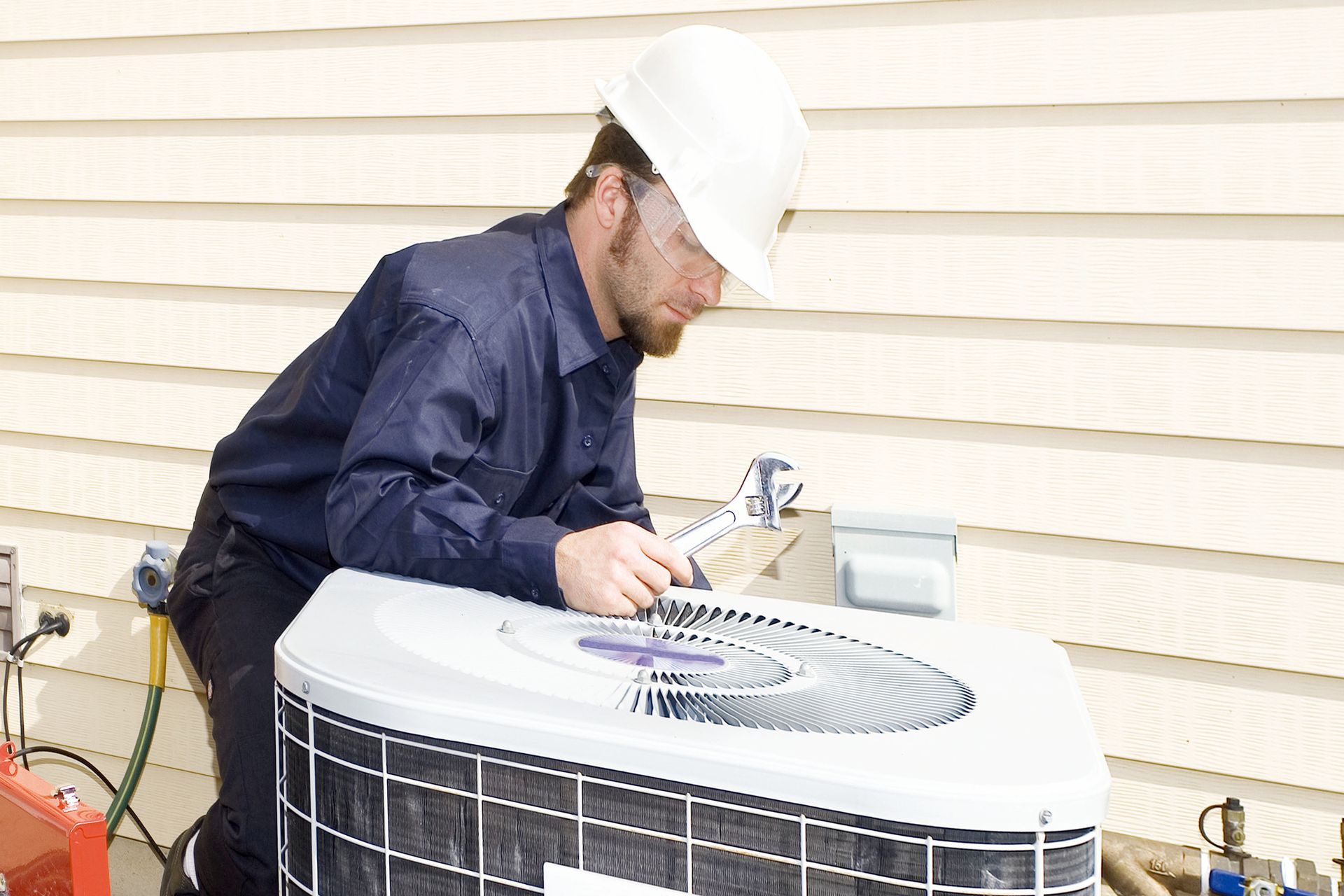
A professional HVAC service typically begins with an evaluation of the existing system. Technicians may inspect equipment, ductwork, electrical connections, controls, filters, and other components depending on the type of service requested. This assessment helps establish the condition of the system and identify factors affecting its performance. A thorough evaluation gives technicians information they can use when determining the appropriate next steps.
The property's size, layout, age, and usage can also influence HVAC requirements. A system that works appropriately in one building may not provide the same results in another. HVAC companies can consider these factors when assessing equipment and developing service recommendations. This individualized approach helps ensure that recommendations relate to the actual conditions of the property.
Diagnosing Heating and Cooling Problems
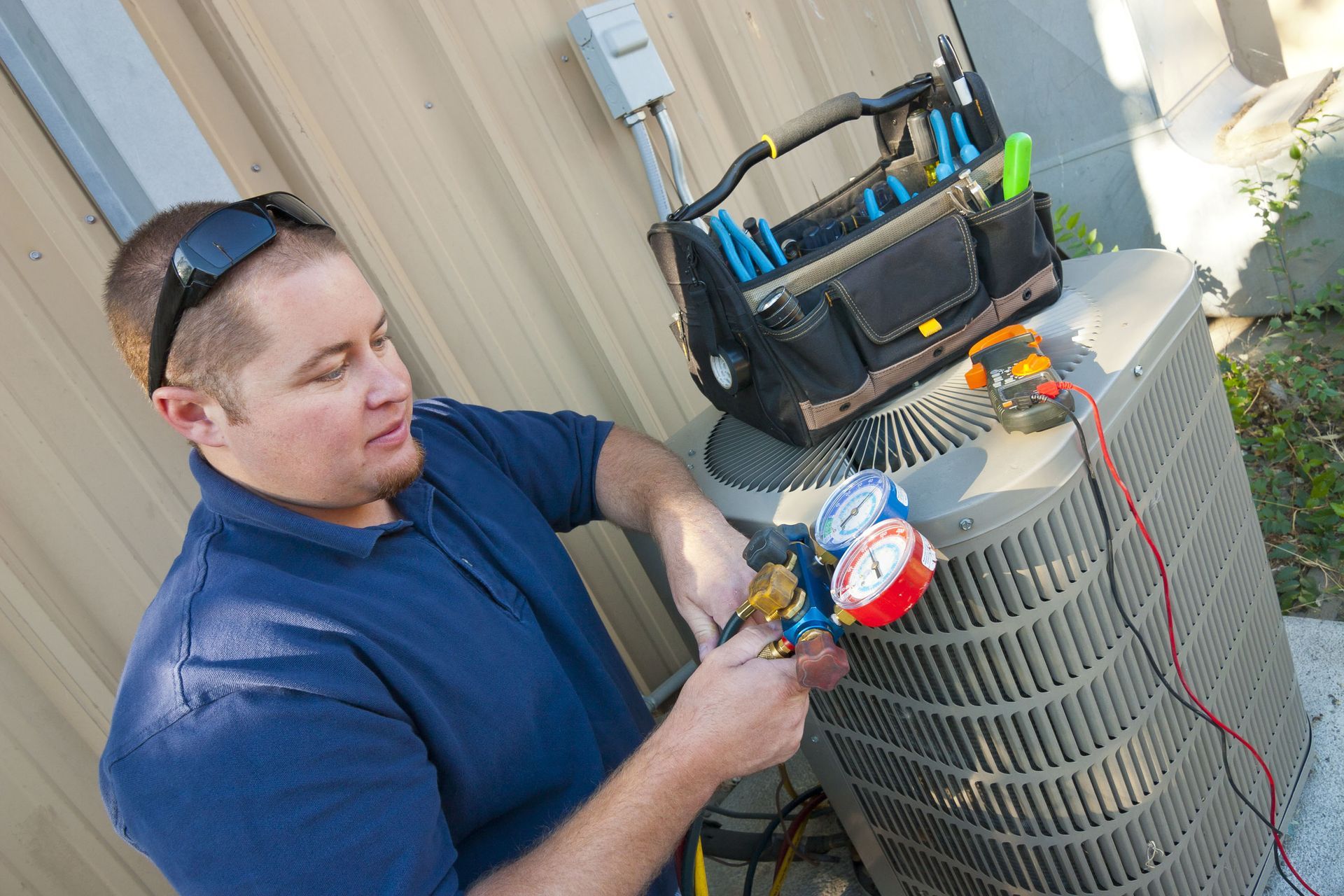
When an HVAC system is not operating correctly, identifying the underlying cause is an important part of professional service. Problems such as inconsistent temperatures, unusual sounds, weak airflow, frequent cycling, or equipment that will not start can have several possible causes. Technicians use their knowledge and diagnostic equipment to investigate these symptoms. The goal is to determine what is affecting the system rather than simply addressing one visible symptom.
Professional diagnosis can also help identify related problems that may not be immediately noticeable. A malfunctioning component can sometimes place additional strain on other parts of the system. HVAC companies can evaluate connected components to determine whether the issue is isolated or part of a larger system concern. This provides a more complete picture of the equipment's condition.
Completing Routine HVAC Maintenance
Regular maintenance is an important part of ongoing heating and cooling system care. Maintenance services can include inspections, system checks, component evaluation, and other tasks appropriate for the equipment. The specific services performed depend on the type, age, and condition of the HVAC system. Routine professional attention can help identify developing concerns before they become larger operational problems.
Maintenance also provides an opportunity to evaluate system performance. Technicians can look for signs of wear, restricted airflow, electrical concerns, or other conditions that may affect operation. HVAC companies can use these findings to explain recommended maintenance or repair needs. A consistent service approach can help property owners stay informed about the condition of their equipment.
Servicing Heating Equipment
Heating systems require professional attention to operate effectively during colder periods. Furnaces, heat pumps, boilers, and other heating equipment contain different components and operate according to different principles. Technicians can inspect the appropriate parts based on the system installed at the property. They can also diagnose problems that affect heating performance or reliability.
Heating service can involve evaluating airflow, controls, electrical components, heat-producing equipment, and other system functions. The exact scope depends on the equipment and the concern being addressed. HVAC companies can explain what they find and identify the services needed to restore or maintain heating performance. Professional assessment helps ensure that heating concerns are evaluated within the context of the complete system.
Servicing Air Conditioning Equipment
Air conditioning is a major part of residential comfort in the United States. According to the U.S. Energy Information Administration, approximately 88% of households nationwide use air conditioning. This widespread use makes professional cooling service an important consideration for many property owners, particularly during periods of high demand.
Cooling systems can experience issues involving refrigerant-related components, electrical systems, airflow, controls, compressors, fans, and other equipment. HVAC companies can evaluate these components when diagnosing cooling problems or performing maintenance. They can also determine whether an existing system requires repair, continued maintenance, or consideration of replacement. Professional evaluation helps connect the observed symptoms with the condition of the equipment.
Improving Indoor Airflow
Airflow affects how effectively an HVAC system distributes conditioned air throughout a building. Restricted ducts, dirty components, improperly functioning fans, or other system conditions can affect how air moves through the property. Uneven temperatures between rooms may sometimes indicate an airflow-related concern. Technicians can evaluate the relevant components when airflow problems are reported.
HVAC companies can also consider the relationship between airflow and overall system operation. Heating and cooling equipment depends on appropriate air movement to perform as intended. If airflow is restricted, the system may experience additional operating challenges. Addressing the underlying cause can help support more consistent distribution of conditioned air.
Evaluating HVAC Efficiency
Energy use is another consideration when evaluating heating and cooling equipment. An aging or poorly functioning system may operate differently from a properly maintained system. Professional technicians can assess equipment performance and identify conditions that may affect efficiency. Their findings can help property owners understand whether maintenance or other service may be appropriate.
Efficiency should be considered alongside the property's actual heating and cooling requirements. Equipment that is appropriately sized and properly maintained can be better suited to the building's needs. HVAC companies can evaluate system characteristics and discuss relevant service considerations with property owners. This allows efficiency discussions to be based on the equipment and property rather than general assumptions.
Recommending Repairs and Replacements
Some HVAC problems can be addressed through repairs, while other situations may indicate that replacement should be considered. The appropriate choice depends on factors such as equipment condition, age, performance, recurring problems, and the scope of the required work. Professional technicians can evaluate these factors before making recommendations. This gives property owners information they can use when deciding how to proceed.
A repair recommendation should explain which component or system is affected and why the service is necessary. If replacement is more appropriate, technicians can explain the reasons for considering new equipment. HVAC companies can help property owners understand the differences between maintaining existing equipment and installing a new system. Clear communication supports informed decision-making.
Installing New HVAC Equipment
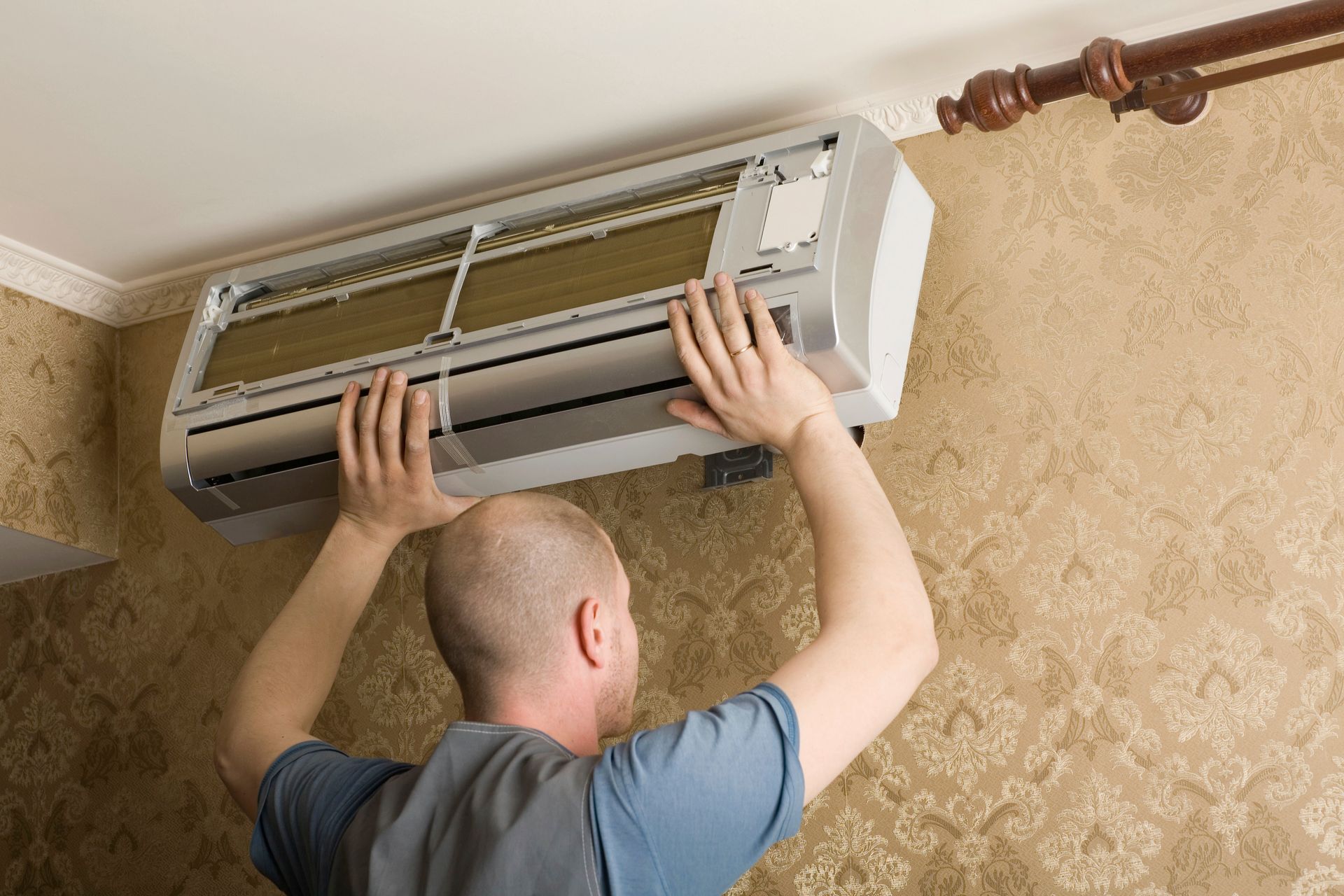
When an HVAC system reaches the point where replacement is appropriate, professional installation becomes an important part of the process. Technicians evaluate the property's heating and cooling requirements when selecting and installing new equipment. Proper sizing, placement, connections, controls, and system configuration all affect how the equipment operates. Professional installation brings these factors together as part of one coordinated process.
New equipment should be selected according to the property's needs rather than based solely on individual product features. HVAC companies can assess the existing system and building characteristics before recommending appropriate equipment. They can then coordinate installation and verify that the system is operating correctly. This approach helps create a more suitable transition from old equipment to new equipment.
Explaining HVAC Service Recommendations
Clear communication should remain part of every professional HVAC visit. Property owners may have questions about system performance, recommended repairs, maintenance needs, or replacement considerations. Technicians can explain their findings and describe how individual components relate to the overall system. This information helps owners understand the reasoning behind proposed services.
If your HVAC system needs maintenance, repair, replacement, or professional evaluation, our team is ready to help. We can assess your equipment and explain the appropriate next steps based on its condition and your property's needs. Contact Miller Service Co to schedule professional HVAC service and keep your heating and cooling system prepared for the demands of every season.